
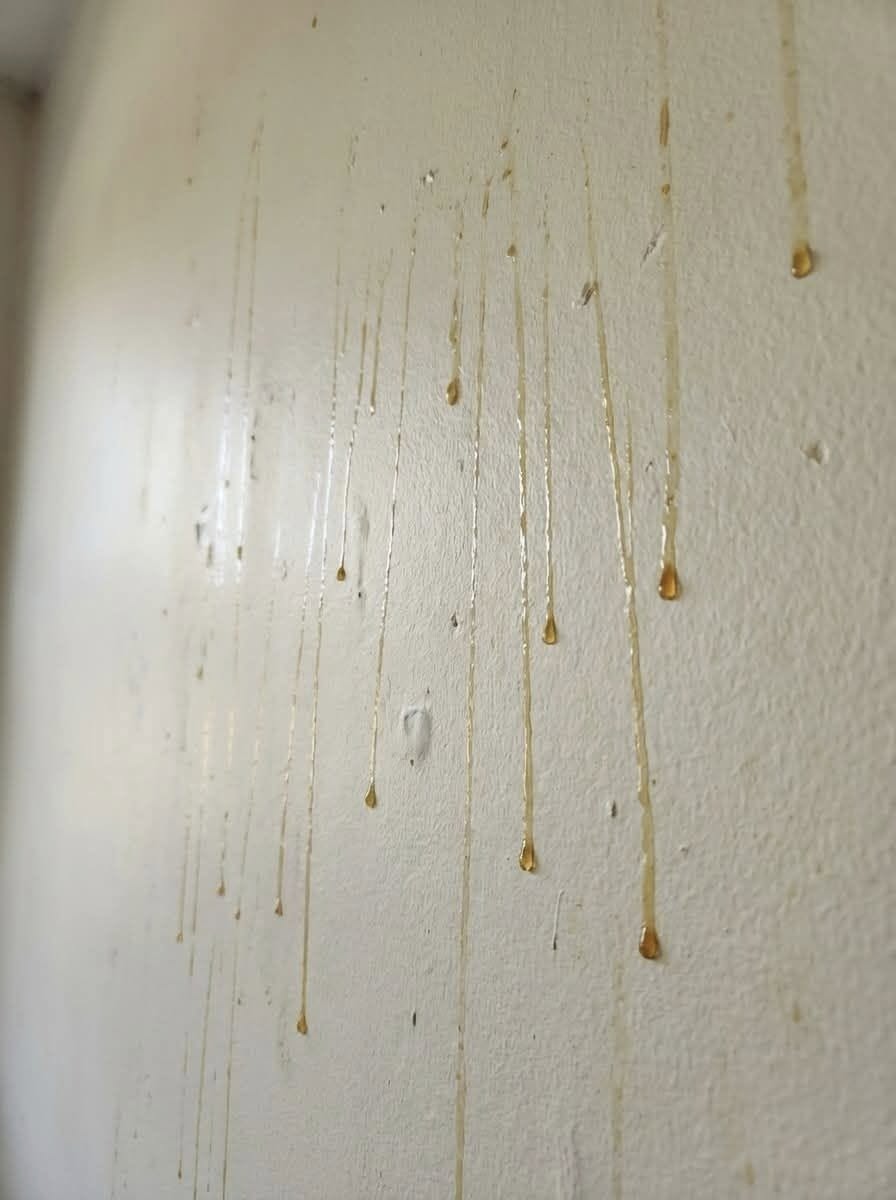
Have you ever walked into your bathroom and noticed yellow or brownish streaks slowly dripping down the walls? At first glance, it can look alarming—especially if you’re worried about mold or bacteria growing in your home.
Bathrooms naturally create the perfect environment for moisture buildup. Steam from hot showers, humidity in the air, and condensation on walls can cause strange stains or drips to appear over time. The good news is that yellow streaks on bathroom walls are usually harmless, but they can signal issues like poor ventilation, residue buildup, or aging paint.
Let’s identify what those yellow drips might be—and how to fix them.
The Most Common Culprits
1. Surfactant Leaching (The #1 Cause)
4. Body Oil and Soap Scum
What it is: Steam carries microscopic particles of body oils, soaps, shampoos, and skin cells into the air. These particles settle on walls and condense, creating yellowish, greasy drips.
What it looks like: Yellowish, greasy streaks that feel slick to the touch.
Is it harmful? No, but it can attract dust and dirt over time.
How to fix it: Clean with a degreasing cleaner or a mixture of dish soap and warm water. Regular bathroom cleaning prevents buildup.
5. Old or Low-Quality Paint
What it is: Some paints, especially older or cheaper formulas, can yellow over time—especially in humid, low-light bathrooms. This yellowing can appear patchy or streaky.
What it looks like: Yellow discoloration rather than distinct drips. May be more noticeable on white or light-colored walls.
Is it harmful? No. It’s just paint aging.
How to fix it: Repaint with a high-quality bathroom-specific paint that resists moisture and yellowing.
6. Mold or Mildew (The Less Common Cause)
What it is: While yellow drips are rarely mold, early mold growth can sometimes appear yellowish before turning black or green.
What it looks like: Fuzzy or powdery spots, often in corners or near the ceiling. Unlike surfactant leaching, mold is textured, not just a stain.
Is it harmful? Yes. Mold can trigger allergies and respiratory issues.
How to fix it: Clean with a bleach-water solution (1 part bleach to 3 parts water) or a commercial mold remover. Fix the underlying moisture problem.
How to Tell the Difference
For Complete Cooking STEPS Please Head On Over To Next Page Or Open button (>) and don’t forget to SHARE with your Facebook friends
ADVERTISEMENT

