
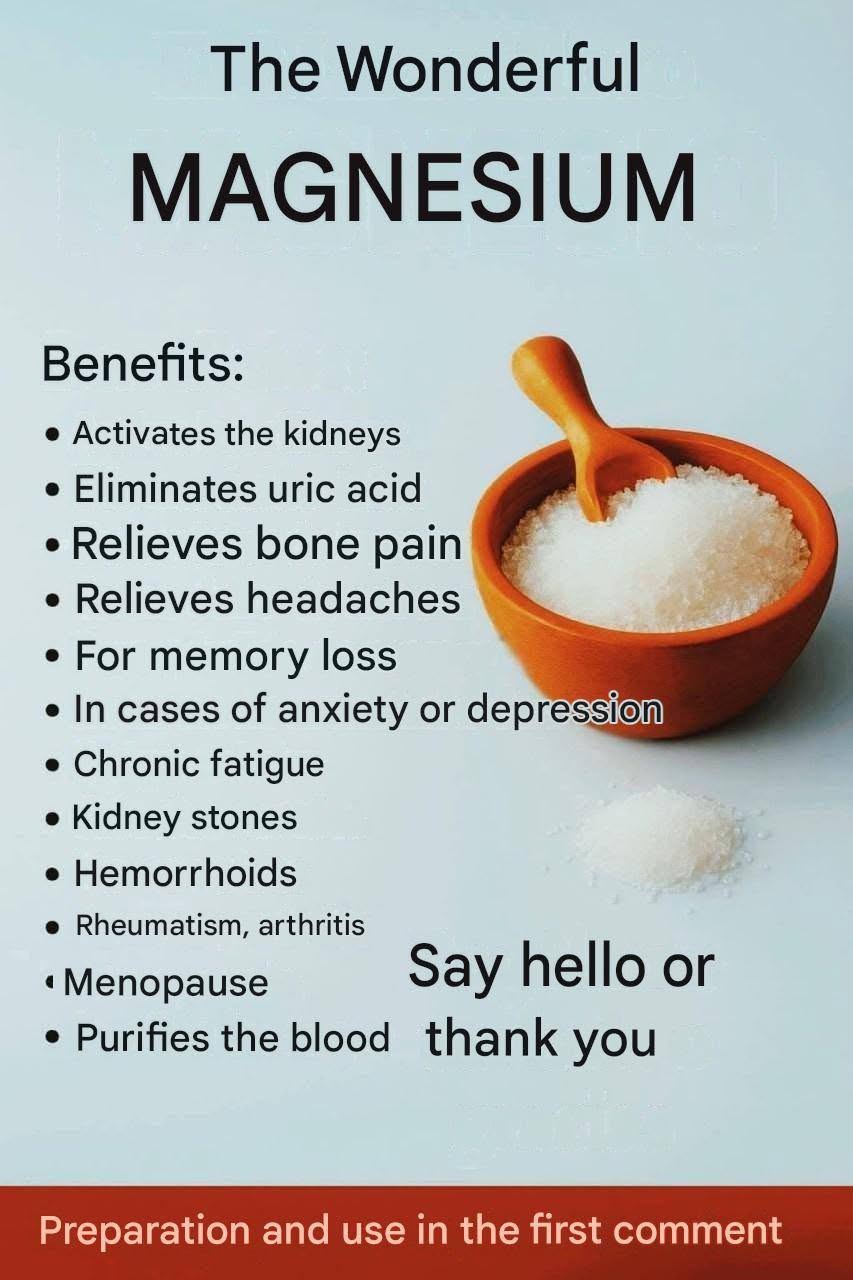
Magnesium is one of those essential minerals that, although often overlooked, is fundamental for the proper functioning of the body. It participates in more than 300 biochemical reactions and plays a key role in energy production, muscle health, the nervous system, and bone strength.
Despite its importance, a large part of the population does not consume the necessary amounts. In this article, you will discover why magnesium is so vital, how to recognize a deficiency, and the best ways to incorporate it into your daily diet.
What is magnesium and why do we need it?
Magnesium is a naturally occurring mineral present in food, water, and, of course, in our bodies.
Most of it is stored in bones, muscles, and soft tissues, where it performs crucial functions such as:
Promoting protein synthesis.
Regulating blood pressure.
Controlling blood sugar levels.
Supporting the functioning of the nervous and cardiovascular systems.
Without magnesium, the body simply could not maintain its internal balance.
Main Benefits of Magnesium
1. Improves Muscle Function
Magnesium regulates muscle contraction and relaxation, preventing cramps, spasms, and weakness. It is essential for athletes and older adults who want to maintain their strength and mobility.
2. Strengthens Bones
Along with calcium and vitamin D, magnesium helps maintain strong bone structure. An adequate level reduces the risk of osteoporosis and fractures.
3. Reduces Stress and Improves Mood
Magnesium helps control cortisol levels (the stress hormone) and stimulates the production of serotonin, the neurotransmitter of well-being. This promotes relaxation and improves sleep.
4. Regulates Blood Pressure
Numerous studies have shown that magnesium helps maintain balanced blood pressure, especially in people with hypertension or mineral deficiencies.
5. Prevents Migraines
This mineral acts on neurotransmitters, which can reduce the frequency and intensity of migraines.
6. Promotes Digestion
Magnesium stimulates bowel movements, relieving constipation and improving digestion naturally. Symptoms of Magnesium Deficiency
Detecting a magnesium deficiency isn’t always easy, as its symptoms can be confused with other conditions. However, some common signs include:
Symptoms of Magnesium Deficiency
ADVERTISEMENT

